2026 Restaurant Furniture Trends: Sustainability, Smart Design, and the Rise of Customization
- Share
- publisher
- AEONTI
- Issue Time
- Jul 1,2026
Summary
Explore the top restaurant furniture trends shaping the hospitality industry in 2026, from eco-friendly materials and innovative table designs to the growing demand for OEM customization in commercial furniture.
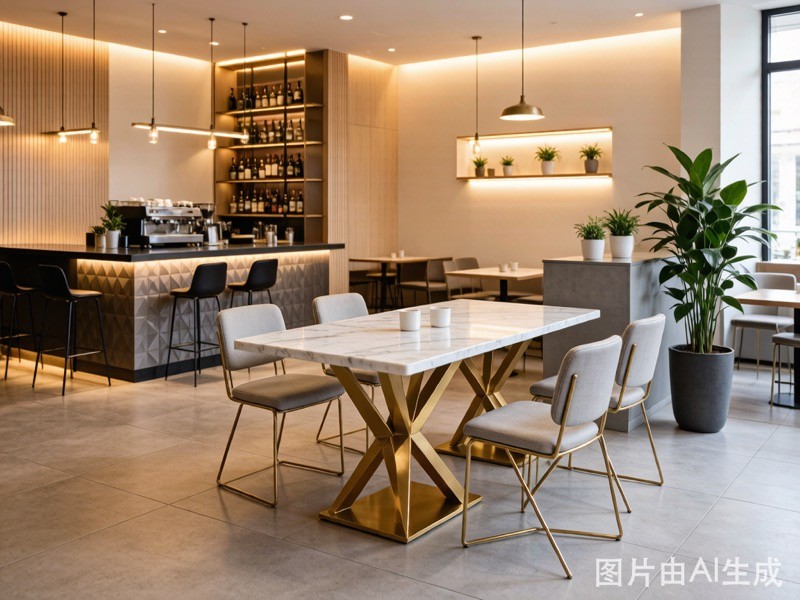
The restaurant and hospitality industry is evolving at a remarkable pace in 2026, and furniture design is at the heart of that transformation. From eco-conscious materials to space-saving innovations and the growing appetite for bespoke commercial pieces, today's dining spaces demand furniture that is as functional as it is forward-looking. Here are the key trends redefining restaurant furniture this year — and how the right choices can elevate both guest experience and operational efficiency.
1. Sustainability Moves from Optional to Essential
Sustainability is no longer a secondary consideration in 2026 — it is a core purchasing criterion for restaurant owners and interior designers alike. Eco-friendly materials such as reclaimed wood, recycled metals, and low-VOC finishes are increasingly standard. Commercial table bases made from recycled cast iron and aluminum are gaining popularity for their combination of durability and lower environmental impact. Restaurants that emphasize sustainable furniture in their build-out communicate a clear commitment to responsible sourcing, which resonates strongly with today's environmentally conscious diners.
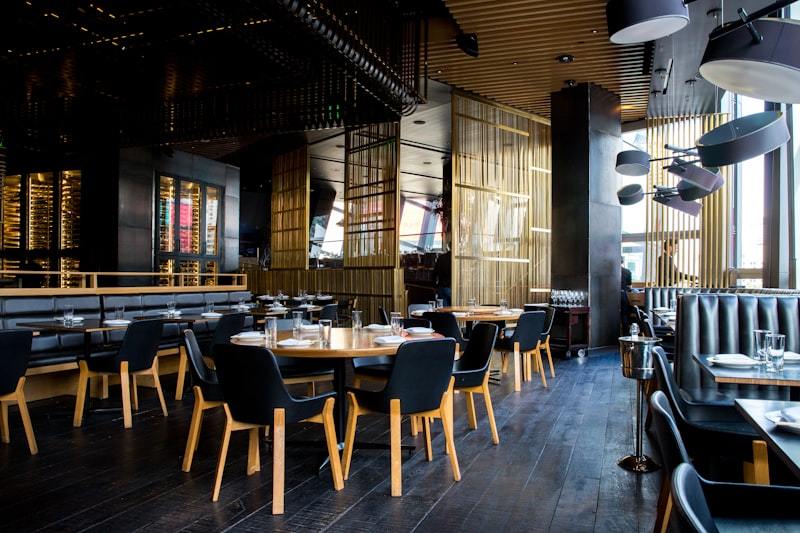
Suppliers are responding by offering certified sustainable product lines with full traceability. When selecting a wholesale furniture partner, restaurant groups are now asking for documentation on material origins, manufacturing emissions, and end-of-life recyclability. This shift represents a structural change in how commercial furniture is sourced and specified.
2. Mix-and-Match Dining Concepts Drive Versatile Furniture Needs
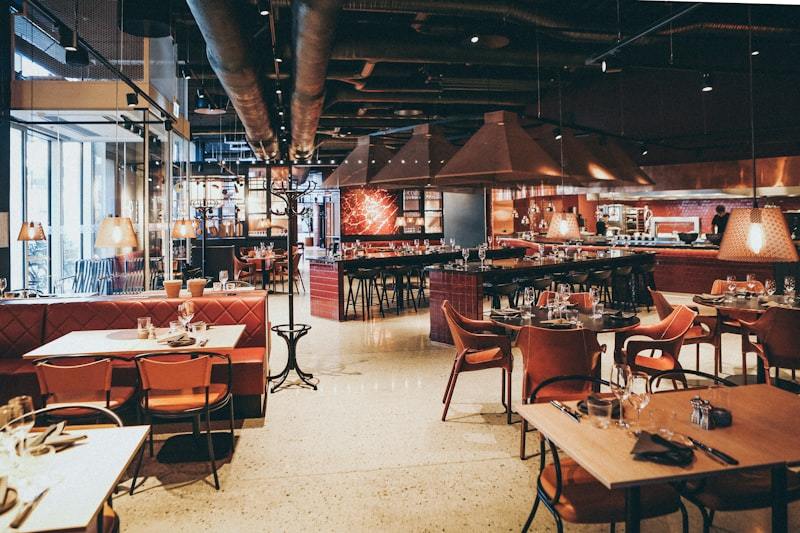
The rigid, uniform dining room is disappearing. In its place, restaurants are embracing flexible layouts that accommodate solo diners, intimate groups, and large parties within the same space. This trend demands furniture that can adapt — modular table systems, adjustable-height table bases, and interchangeable table tops in varied shapes and finishes.
Round dining tables for communal seating, square tables for compact footprints, and rectangular tables for traditional banquet layouts now coexist in the same floor plan. Behind this flexibility is a robust ecosystem of commercial table bases engineered for stability across different top weights and dimensions. Restaurants investing in versatile base-and-top combinations gain the ability to reconfigure their space without replacing furniture.
3. Premium Materials and Craftsmanship Take Center Stage
Diners in 2026 have a refined eye for quality, and restaurant furniture is expected to deliver both visual impact and lasting performance. Sintered stone tabletops have emerged as a premium favorite — offering the elegance of natural marble with superior resistance to scratches, heat, and stains. Porcelain and high-pressure laminate (HPL) tops are also widely specified for their combination of aesthetics and durability in high-traffic environments.
On the structural side, stainless steel table bases with brushed or powder-coated finishes are preferred for their corrosion resistance and modern appearance. Cast iron bases continue to anchor heavy-duty applications, while aluminum bases offer a lightweight alternative for frequently rearranged spaces. The emphasis on material quality extends to every component, from leg levelers to joint welds, reflecting a broader industry push toward furniture that performs commercially for years.
4. OEM Customization Becomes the Norm
Off-the-shelf furniture is increasingly giving way to custom solutions as restaurant brands seek distinct identities. OEM manufacturing allows operators to specify exact dimensions, finishes, materials, and branding elements — from engraved logos on table bases to custom powder-coat colors that match a brand's palette. This level of personalization was once reserved for high-budget projects, but streamlined production and minimum-order-quantity flexibility have made OEM accessible to a broader range of hospitality businesses.
Experienced OEM partners guide clients through material selection, prototype development, and quality assurance. For restaurant groups managing multiple locations, OEM consistency ensures that every outlet — whether in New York, Dubai, or Singapore — delivers the same brand experience. The ability to request custom furniture solutions directly from manufacturers has become a competitive advantage in a crowded market.
5. Lightweight Yet Durable Materials for Operational Agility
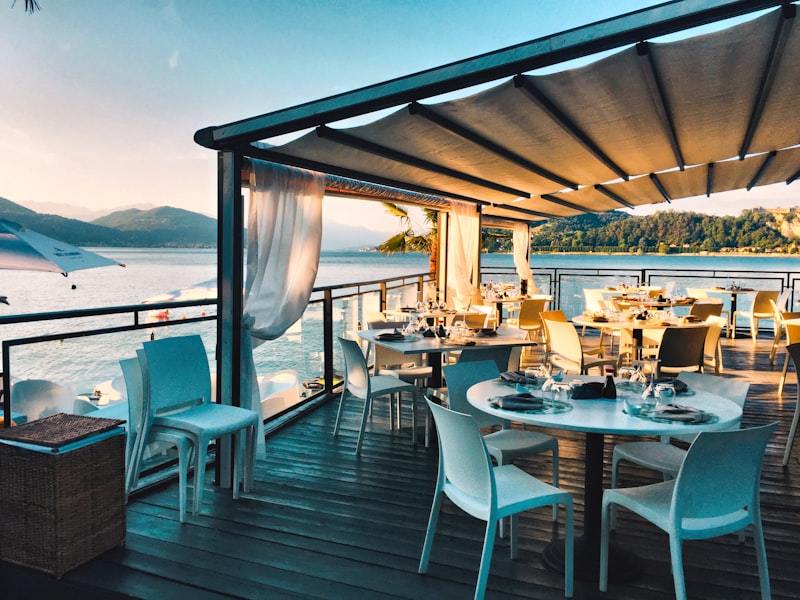
Restaurant operators are prioritizing furniture that is easy to move, clean, and store without sacrificing durability. Aluminum table bases and lightweight engineered tabletops allow staff to reconfigure spaces rapidly between service periods. Outdoor dining continues to expand, driving demand for furniture that withstands UV exposure, moisture, and temperature swings while remaining light enough for daily handling.
Powder-coated aluminum frames, rust-proof hardware, and quick-connect base-to-top attachment systems are now standard specifications in many hospitality projects. These innovations reduce labor costs, speed up turnover, and extend the usable life of furniture assets — all factors that directly impact a restaurant's bottom line.
6. The Rise of Multi-Functional Dining Spaces
The line between dining, working, and socializing continues to blur. Cafés that function as co-working spaces by day and wine bars by night, or restaurants that host private events alongside regular service, require furniture that performs across multiple contexts. Table bases with adjustable-height mechanisms, stackable chair designs, and tabletops with integrated power outlets are among the innovations supporting this trend.
For manufacturers and suppliers, the multi-functional space trend means designing furniture that is visually refined enough for evening service yet robust enough for daytime turnover. The most successful commercial furniture lines in 2026 offer this duality as a standard feature rather than a premium option.
Bringing It All Together
The trends shaping 2026 are clear: sustainability, flexibility, premium quality, and customization are no longer differentiators — they are expectations. Restaurants that invest in furniture aligned with these trends create spaces that attract guests, support staff, and stand the test of time.
From heavy-duty wholesale table bases to precision-engineered tabletops and seating, every component plays a role in delivering a dining experience that keeps customers coming back. As the industry continues to evolve, staying ahead of these trends is not just about aesthetics — it is about building a restaurant business that is built to last.