Why Do Some Table Base Orders Sell Fast While Others Stay in Your Warehouse?
- Share
- publisher
- AEONTI
- Issue Time
- Nov 7,2026
Summary
Some table base orders clear the warehouse in weeks; others sit for months until they are discounted. This wholesale selection playbook covers market-fit over catalog appeal, tabletop size matching, SKU discipline, easy-to-sell design, supplier capability, replenishment, packaging cost and a 60/25/15 product mix for faster sell-through.
FOR WHOLESALERS, DISTRIBUTORS AND COMMERCIAL FURNITURE BUYERS Why Do Some Table Base Orders Sell Fast While Others Stay in Your Warehouse? The most common mistake in table base purchasing is assuming that a fair price and decent quality guarantee fast sales. In reality, some table bases leave the warehouse within weeks — while others sit for months until they are discounted, cleared or repackaged. Fast-Selling Table Base Orders Slow-Moving Table Base Orders The difference is rarely product quality alone. It is whether the product selection matches market demand, whether the SKU mix is reasonable, whether sizes and structures match mainstream tabletops, whether end customers can use the product easily — and whether the supplier can adjust quickly to market feedback. So the real question for a wholesaler is not "What does this table base cost?" It is "How fast can I sell it after it arrives?" A table base can have excellent material, thick steel, a beautiful finish, a low purchase price and strong load capacity — and still sell slowly. Why? Because commercial buyers do not purchase an isolated table base. They purchase a ready-to-apply solution their own customers can use immediately. If your customers mainly sell restaurant dining tables, cafe tables, hotel tables and commercial dining tables, they will judge every table base by practical questions: Is the size common? Is the structure easy to match? Does the height fit commercial tops? Is installation simple? Are several colors available? Can it be restocked quickly? Does it suit bulk projects? A product that fails these tests becomes slow stock — no matter how good it looks on paper. That is why experienced buyers start from a structured commercial table bases program instead of isolated items. Catalogs are full of attractive products, but a beautiful product is not the same as a fast-selling product. A highly distinctive design may win one high-end project, yet it rarely works as regular wholesale stock. Meanwhile, less "special" structures often carry the most stable demand. Three structural families cover most commercial applications: Restaurants · Cafés · Hotels · Commercial dining · Office dining areas — the most universal structure in any iron table bases program. Round dining tables · Café tables · Restaurant tables · Small-space seating — see cast iron table bases and cone designs. Rectangular tables · Long dining tables · Meeting tables · Commercial projects — the backbone of long-top restaurant table bases. So when selecting products, do not only ask "does this look good?" Ask: "Where can my customers use it?" The clearer the application scenario, the easier the sale. Size is one of the decisive factors in sell-through speed. A structurally perfect table base that only fits unusual tabletops automatically shrinks its own customer pool. Professional buyers match every base against mainstream tabletop sizes before ordering: Do not only buy "products". Buy products that cover multiple application scenarios — the more tabletop sizes one table base program can serve, the bigger its potential customer group. A commercial table bases supplier who offers the same series in multiple heights, footprints and mounting plates lets you cover this whole table with a handful of SKUs instead of twenty. "More products, more choices, more sales" — often exactly wrong. Imagine one order with 10 colors, 8 structures, 6 sizes and 5 heights. The line looks rich, but if every SKU moves in small quantities, the result is a familiar chain: A mature purchasing strategy for table bases wholesale is not unlimited SKU growth. It is a small number of core SKUs + multiple application scenarios + stable replenishment. Build core products as regular stock first, then add custom products against real customer orders — balancing turnover, choice, customization and capital efficiency. Our custom table base service exists exactly for that second layer. The products wholesalers love most share one trait: the customer understands them at first glance. "This table base is suitable for restaurant dining tables" — instant comprehension. A product that needs long explanations about compatible tops, sizes, installation, applications or special accessories raises your cost of selling every single time. Two "easy-to-sell" examples from the AEONTI program: one matte black ribbed pedestal for modern restaurants, one cone base for hotels and cafés — clear applications, standard sizes, simple installation. Suppose you found a table base with real market demand. Does it automatically sell fast? Not necessarily — because the other half of the equation is your supplier. What you need is a manufacturing partner who supports long-term selling, not just a factory that can produce. Watch how a supplier responds when your business grows: CUSTOMER ASKS CUSTOMER ASKS CUSTOMER ASKS CUSTOMER ASKS Every one of these answers directly affects your ability to sell. A full-capability table base manufacturer answers all four without hesitation. A problem buyers easily overlook: the faster a product sells, the higher the demands on your supply chain. If a table base sells 500 sets a month but restocking takes 60 days, the sequence is painful: So when choosing a table base supplier, look beyond the first order price at the factors that decide whether you can keep selling: Long-term profit comes from continuously satisfying your customers — not from winning the first order. Evaluate any table base manufacturer on this table, not on a single quote. Buyers compare products, but packaging quietly shapes six cost lines: shipping cost, damage rate, warehouse space, container loading, handling efficiency — and your final selling price. An oversized carton can quietly destroy a competitive unit price: fewer pieces per container, higher logistics cost per unit, a quote that no longer wins. A supplier who optimizes carton size, foam protection, corner protection, pallet loading, mixed loading and container utilization directly lowers your total procurement cost. Compare product cost + packaging cost + logistics cost + inventory cost — never unit price alone. Our wholesale table bases program ships with export-grade packing designed around container utilization. This is the number that comes closest to your real procurement cost — not the unit price on the quotation. Entering a new market with a large first inventory is one of the riskiest moves in wholesale. The safer path is a five-step loop — and it only works with a manufacturer who supports OEM and ODM and small-batch testing: "How many table base SKUs should I actually carry?" There is no universal answer, but there is a proven starting ratio for stocking decisions: Before your next table base order, run through these eight questions. If many of them are hard to answer, the problem is probably not the product — it is that your purchasing logic is not complete yet: Next time you see an attractively priced table base, do not start with "How much is it?" Start with "How easily can I sell it — together with my dining tables program?" A low purchase price is not the same as high profit. Products with real wholesale value help you enter the market fast, cover multiple applications, cut logistics cost, restock quickly, support customization and win repeat orders. You are not really buying a set of table bases. You are buying the potential to sell it again and again. At AEONTI we understand that wholesale buyers are not simply looking for a low-cost table base. You need products that match real commercial applications, support different tabletop configurations, keep quality consistent in bulk production, and replenish reliably when demand grows. Whether you are a furniture wholesaler, distributor, restaurant furniture supplier, furniture manufacturer, contractor or commercial project buyer, we help you evaluate the right product mix of commercial table bases and wholesale dining tables before you place a bulk order.
1. A Good Table Base Is Not Always a Fast-Selling Table Base
2. Are You Buying What the Market Needs — or What Looks Good in a Catalog?
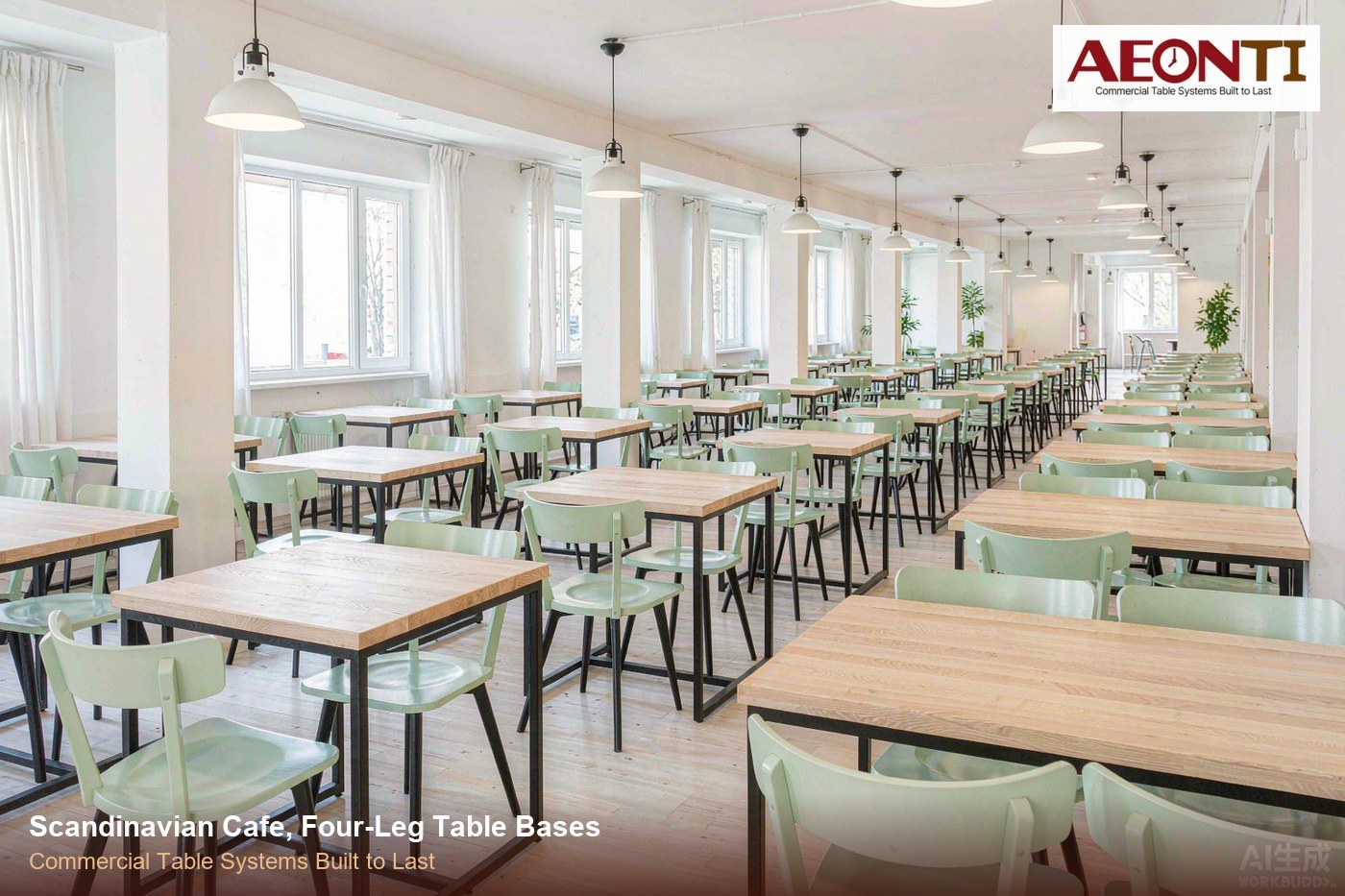
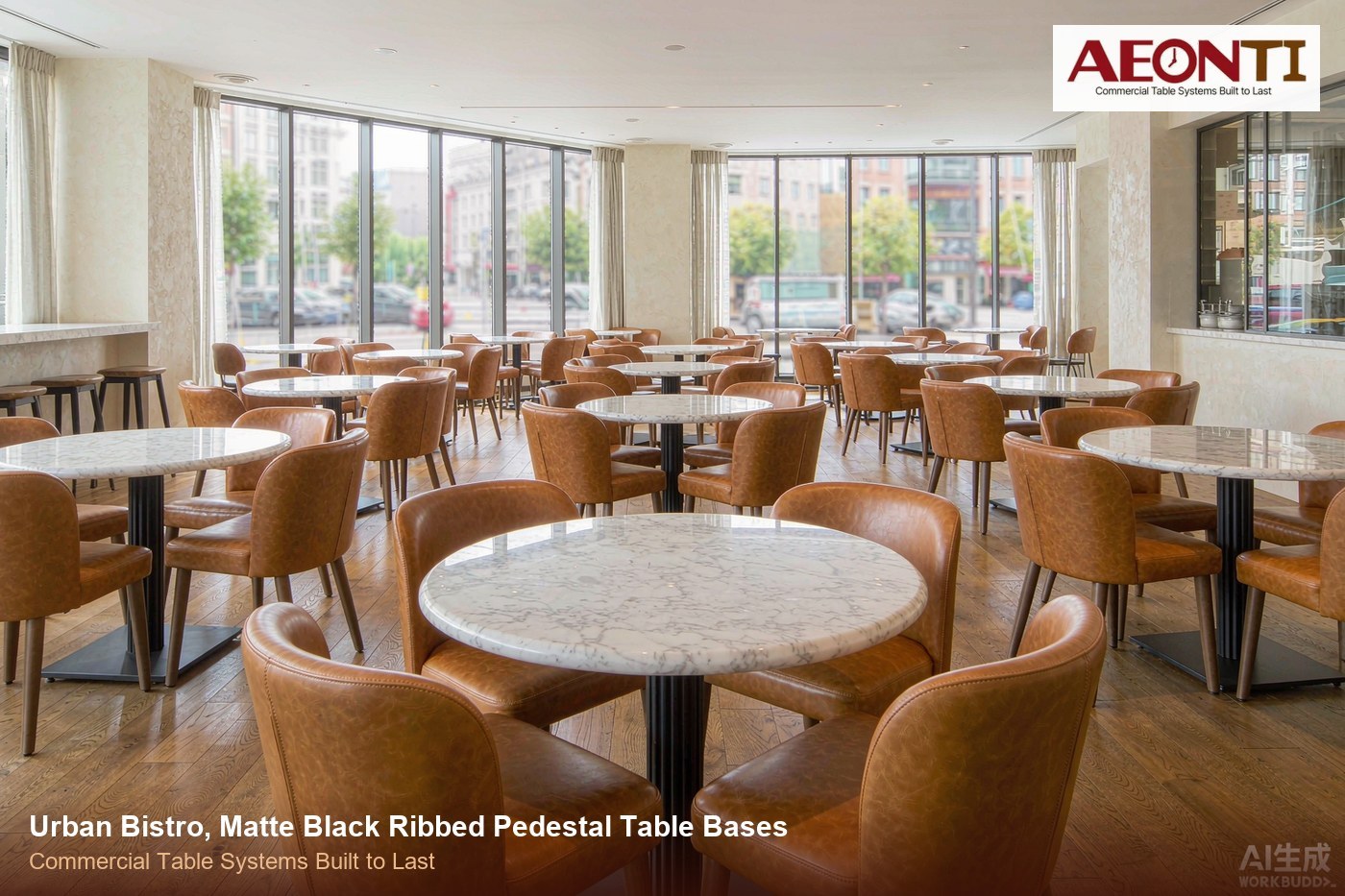
Four-Leg Table Bases
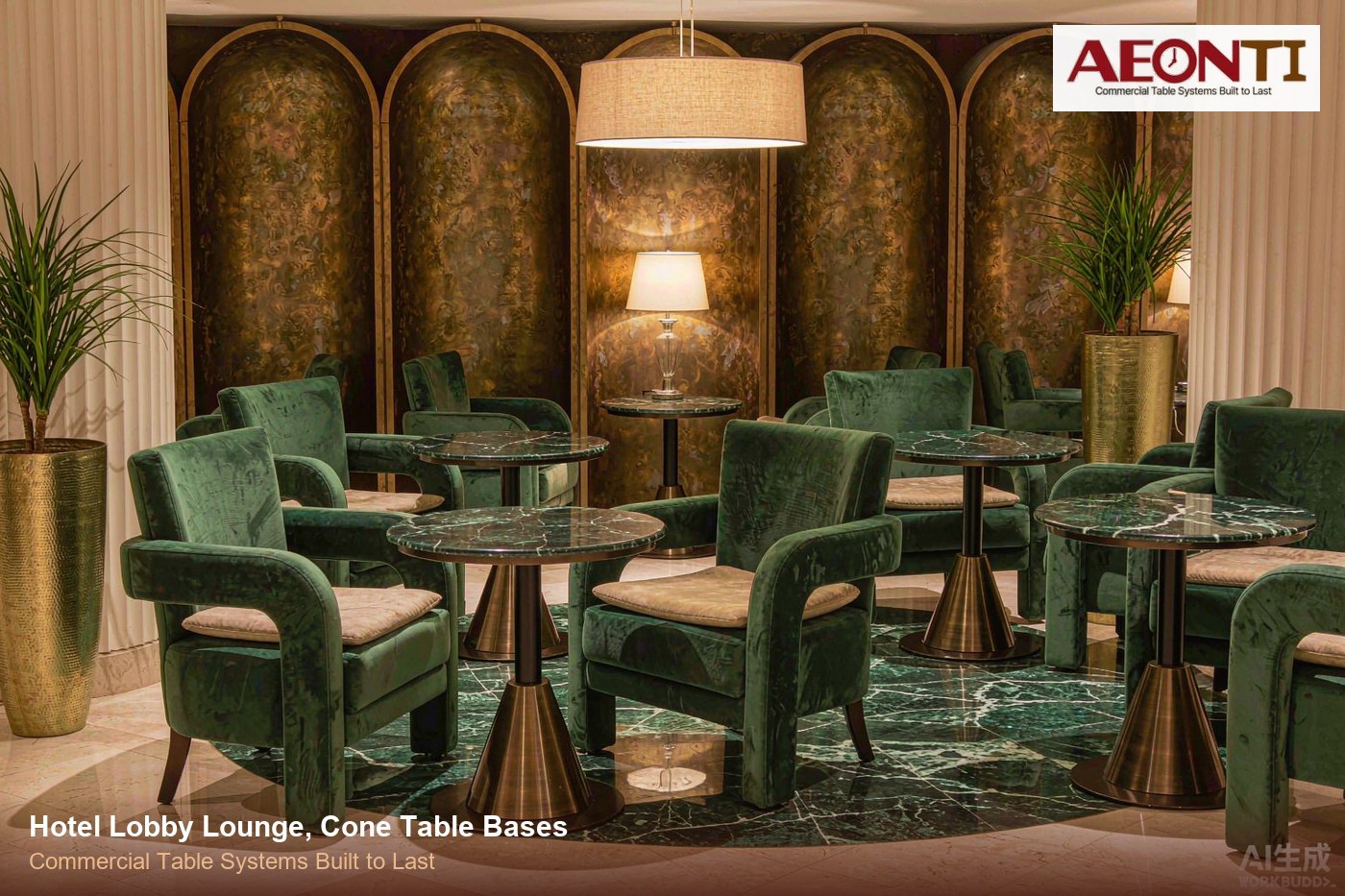
Central Pedestal Bases
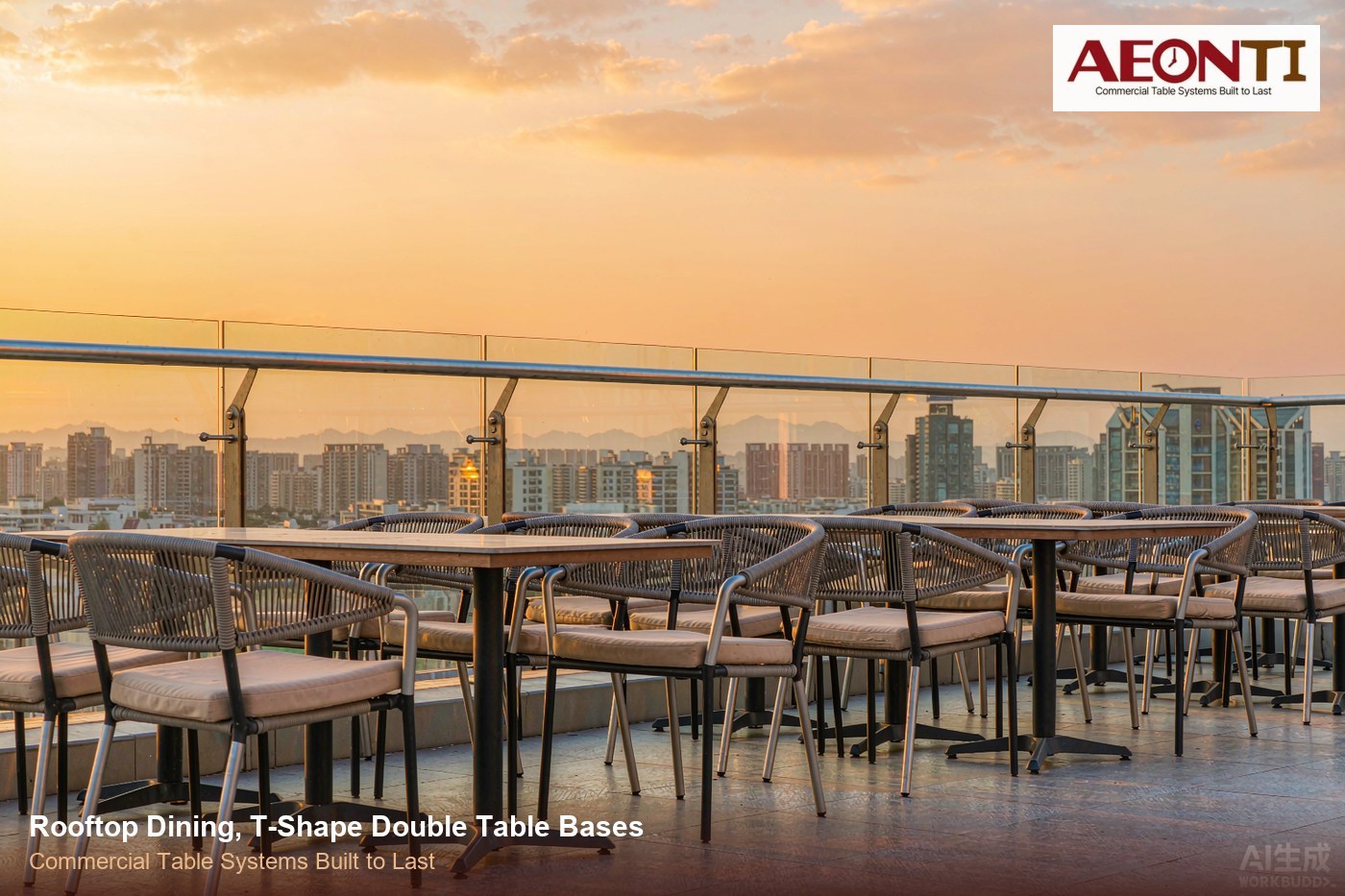
T-Shape / Double Bases
3. The Wrong Size Can Turn a Good Product Into Dead Stock
Tabletop Type Common Application Suitable Base Direction Small Round Café / Bistro Pedestal Base Medium Round Restaurant Dining Pedestal / Four-Leg Square Café / Restaurant Four-Leg / Central Base Rectangular Dining / Commercial Four-Leg / T-Shape / Double Base 4. Too Many SKUs Can Be Just as Dangerous as Too Few
5. Why Do Commercial Buyers Prefer "Easy-to-Sell" Table Bases?
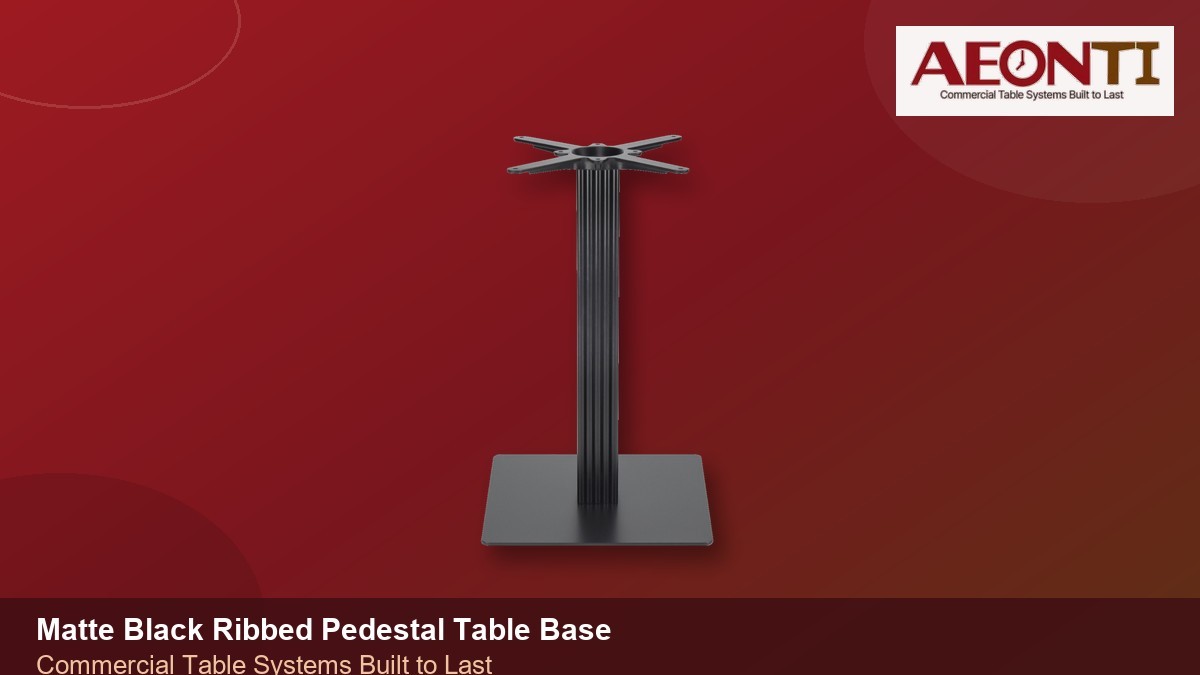
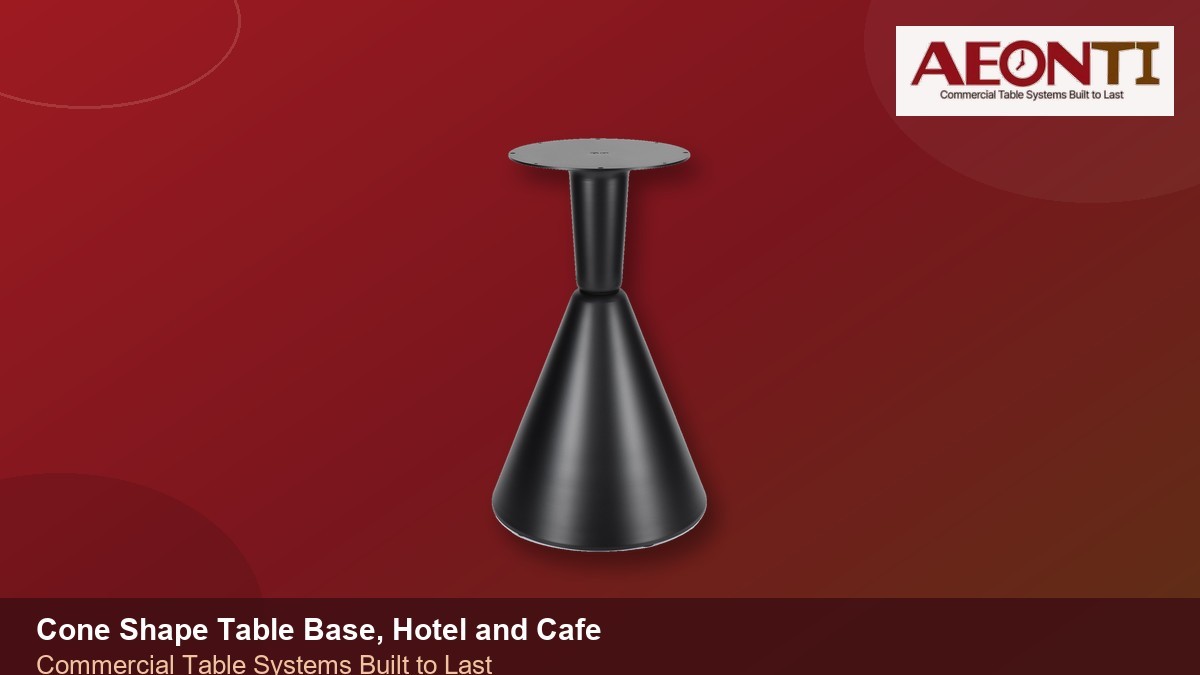
6. The Product Is Only Half of the Equation
7. Fast-Selling Products Need Fast Replenishment
Factor What It Protects Production Capacity Room to grow when your orders increase Lead Time Restocking before shelves go empty Replenishment Ability Repeat customers who never wait Material Availability Stable output even in peak season Quality Consistency Every batch matches the approved sample Packaging and Shipping Lower freight cost and damage rate per container 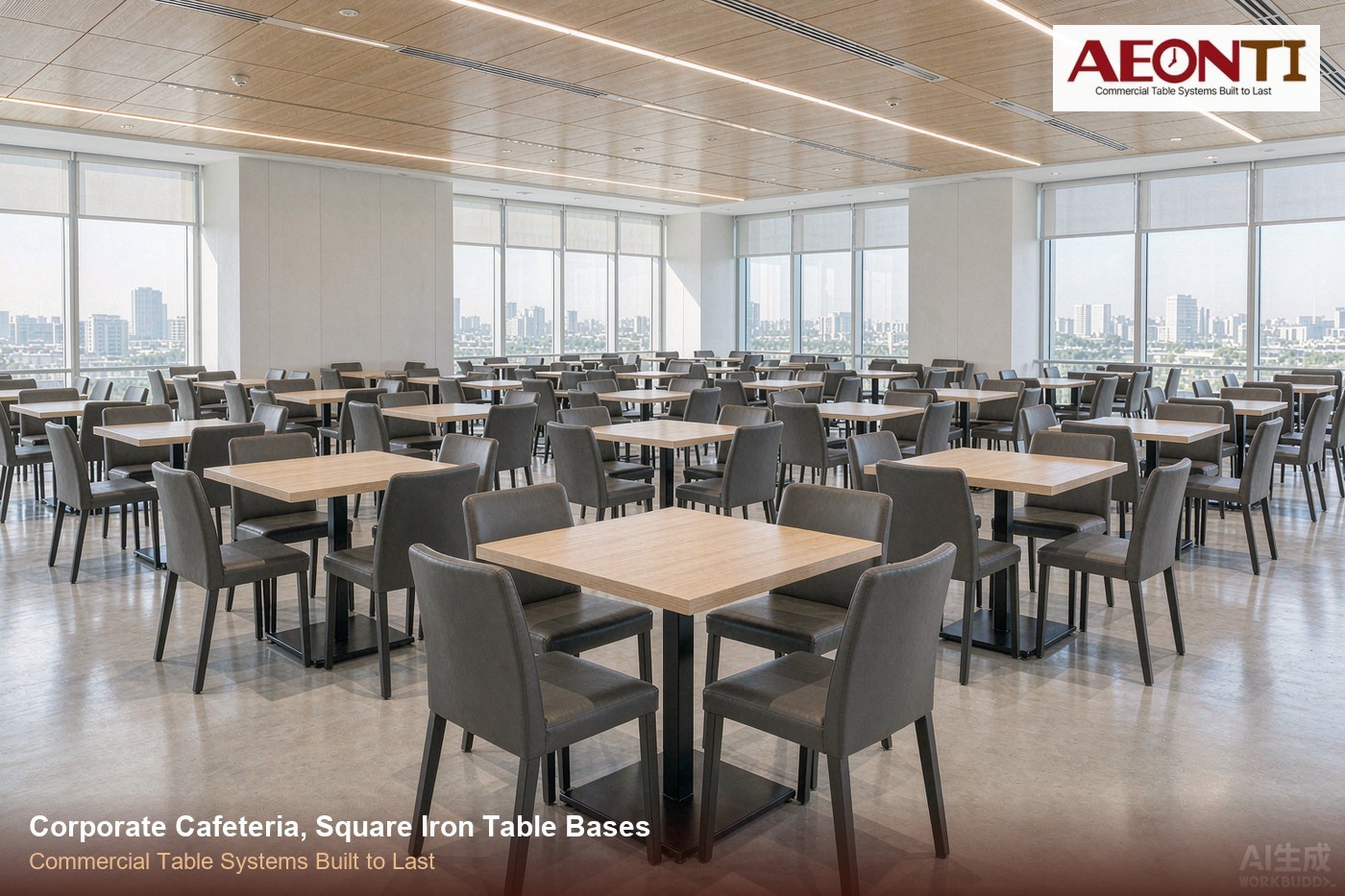
8. Packaging Can Also Affect How Fast You Sell
9. Can Your Table Base Supplier Help You Test the Market?
10. The Best Product Mix Is Not Always the Biggest Product Mix
11. What Should You Ask Before Placing Your Next Table Base Order?
12. A Better Question for Every Wholesale Buyer
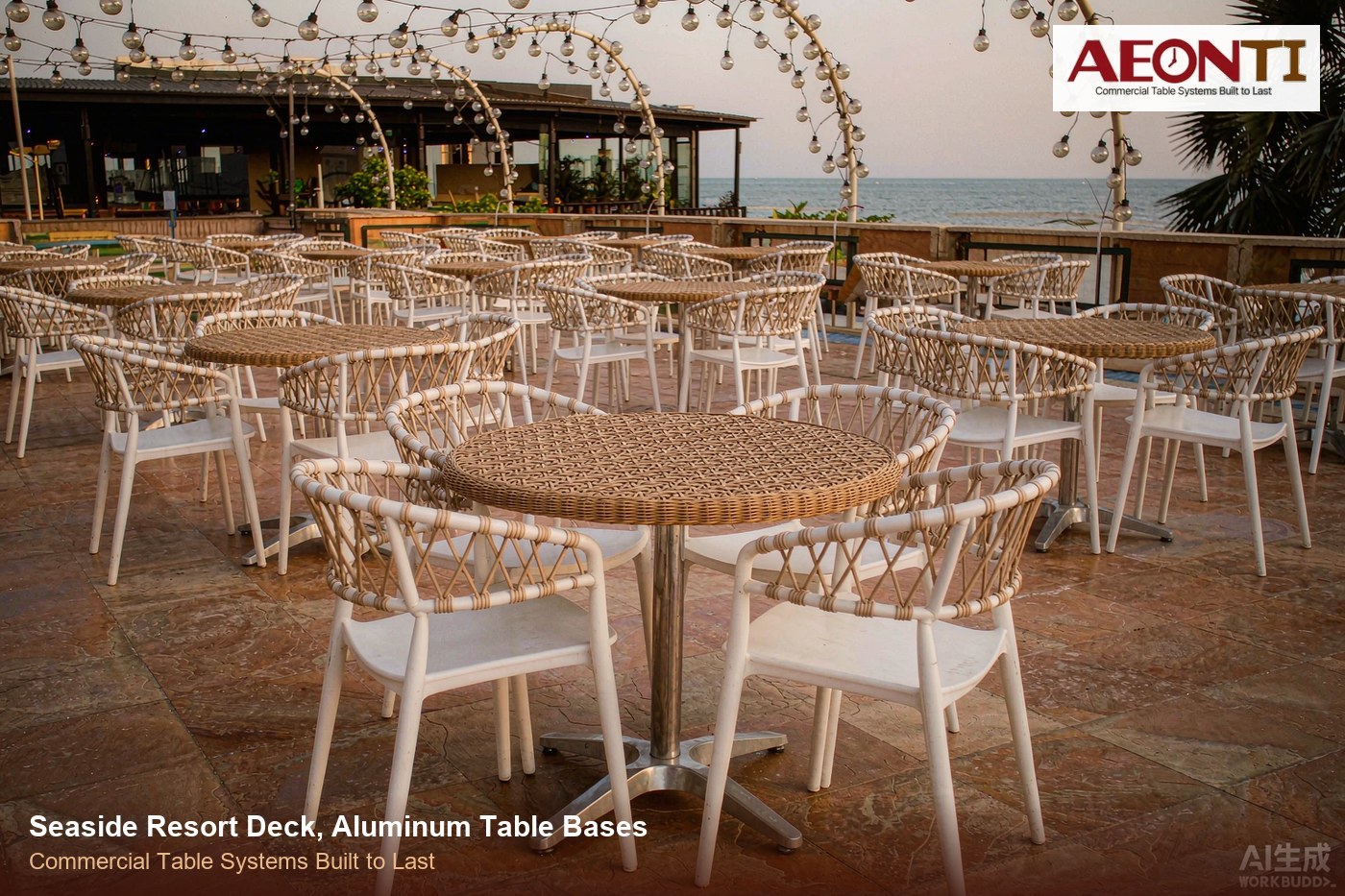
Looking for Table Bases That Are Easier to Sell?