Are cast iron table bases suitable for outdoor restaurant patios?
- Share
- Issue Time
- Jul 3,2026
Yes, Cast Iron Table Bases Work for Outdoor Patios, But Coating Quality Is the Deciding Factor
Cast iron table bases are widely used in outdoor restaurant patios, rooftop bars, and sidewalk cafes. Their primary advantage is mass-based stability: a single cast iron base can weigh 15 to 30 kg, anchoring heavy stone or HPL tabletops firmly against wind gusts and high foot traffic. However, cast iron is a ferrous metal that corrodes when exposed to moisture and oxygen. Whether it survives outdoors depends almost entirely on the quality of its protective coating and the maintenance discipline of the venue operator.
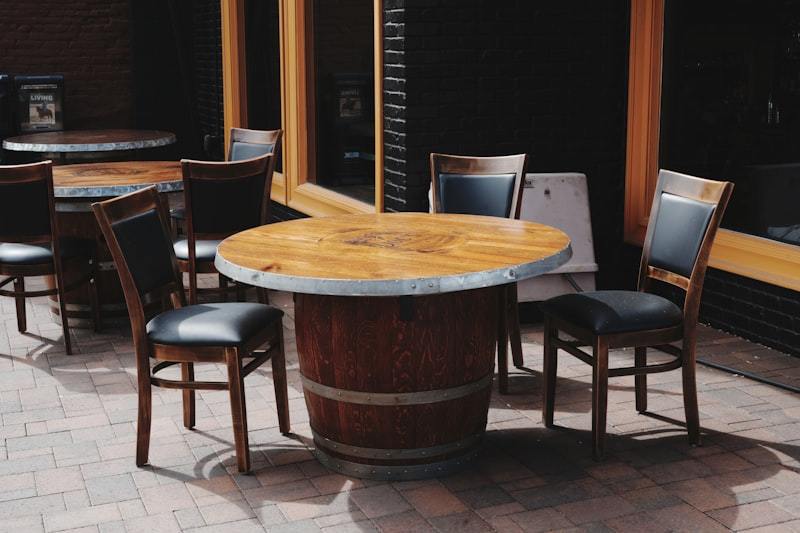
Outdoor-rated cast iron bases that meet proper coating standards have served commercial patios for 5 to 10 years before requiring refinishing. Untreated or indoor-only coated bases may show rust pits within 6 to 12 months of continuous outdoor exposure. The difference is not the metal itself; it is the surface treatment applied before delivery and the upkeep afterward.
What Makes Cast Iron Outdoor-Ready: Four Critical Requirements
1. Outdoor-Rated Powder Coating Thickness
A genuine outdoor-rated finish requires a minimum 60-micron powder coat applied over a chemically pre-treated surface (phosphating or zinc plating). Thin decorative coatings typical of indoor bases crack under UV exposure and thermal cycling, exposing bare iron within one season. AEONTI applies multi-layer outdoor coating systems on all patio-rated cast iron bases, including chemical pretreatment, primer, and a UV-stable polyester topcoat.
2. Salt Spray Resistance per ASTM B117
For coastal or high-humidity environments, the coating should withstand at least 1,000 hours in the ASTM B117 salt spray test without showing corrosion creep from a scribe mark. This standard is the baseline for marine-grade finishes. ASTM D1654 evaluates the coating's adhesion and corrosion resistance after salt spray exposure. Request these test records from your supplier before committing to a bulk order.
3. Adjustable Leveling Glides
Outdoor patio floors are rarely level. Tiled seams, drainage slopes, and expansion joints all create wobble points. Quality outdoor cast iron bases include corrosion-resistant adjustable feet (typically nylon or stainless steel glides) that allow on-site fine-tuning. Without these, even a heavy base will wobble, and guest complaints follow quickly.
4. Annual Maintenance Protocol
Even with excellent coating, outdoor cast iron requires periodic inspection and touch-up. The recommended cycle: inspect welds and undersides each spring and fall; clean with mild soap (never pressure wash); apply a rust converter to any exposed spots; finish with two thin coats of marine-grade enamel. Skipping annual maintenance can reduce base lifespan by up to 70%, as confirmed by corrosion cost studies from NACE International.
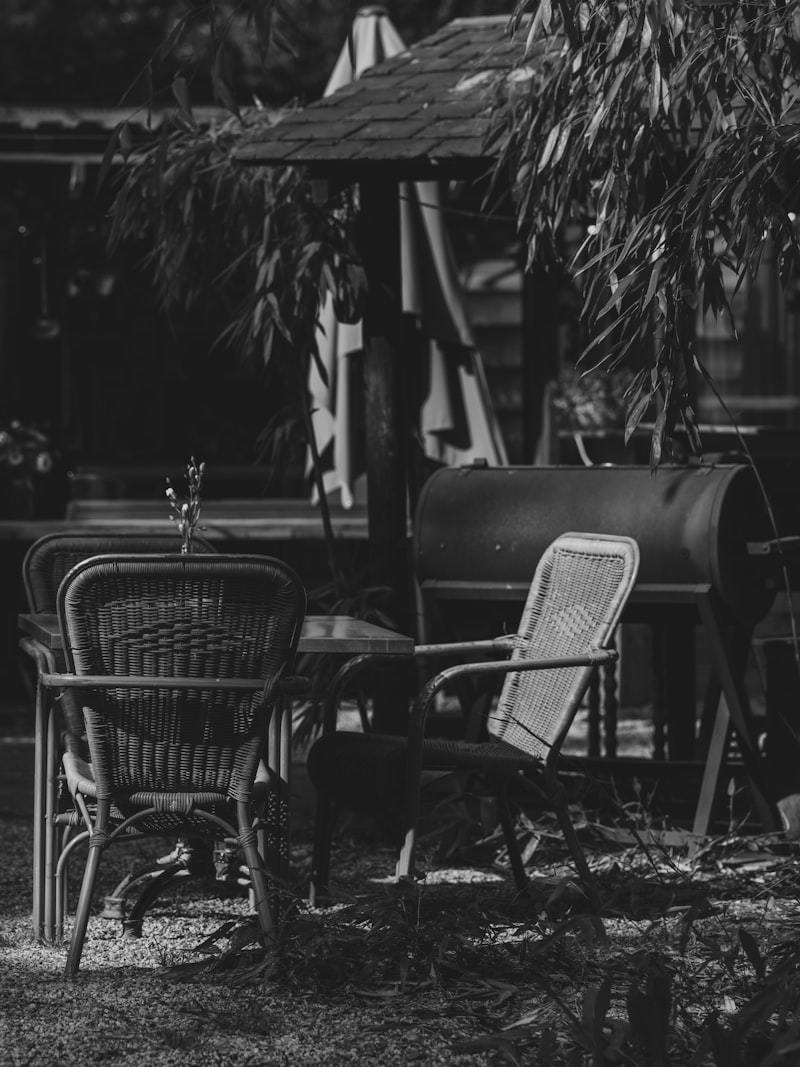
Cast Iron vs. Aluminum vs. Stainless Steel for Outdoor Use
Cast iron is not the only option for outdoor table bases. The right choice depends on the venue's priorities:
| Feature | Cast Iron | Aluminum | 304 Stainless Steel |
|---|---|---|---|
| Rust Resistance | Excellent if properly coated | Naturally rust-proof | Naturally rust-proof |
| Weight per Base | 15-30 kg (very heavy) | 3-8 kg (lightweight) | 8-15 kg (medium) |
| Wind Stability | Excellent | Good (needs anchoring) | Very Good |
| Heavy Top Support | Best for marble/granite | Limited | Good |
| Cost Range | Mid-range | Mid-range | High-end |
| Seasonal Storage | Difficult (heavy) | Easy (foldable options) | Moderate |
For windy rooftop patios and venues using heavy stone tabletops, cast iron's weight is a functional advantage. For cafes that rearrange tables daily or need seasonal fold-and-store capability, aluminum is more practical. AEONTI manufactures all three material categories with factory-direct pricing, allowing buyers to specify the exact combination that matches their operating conditions.
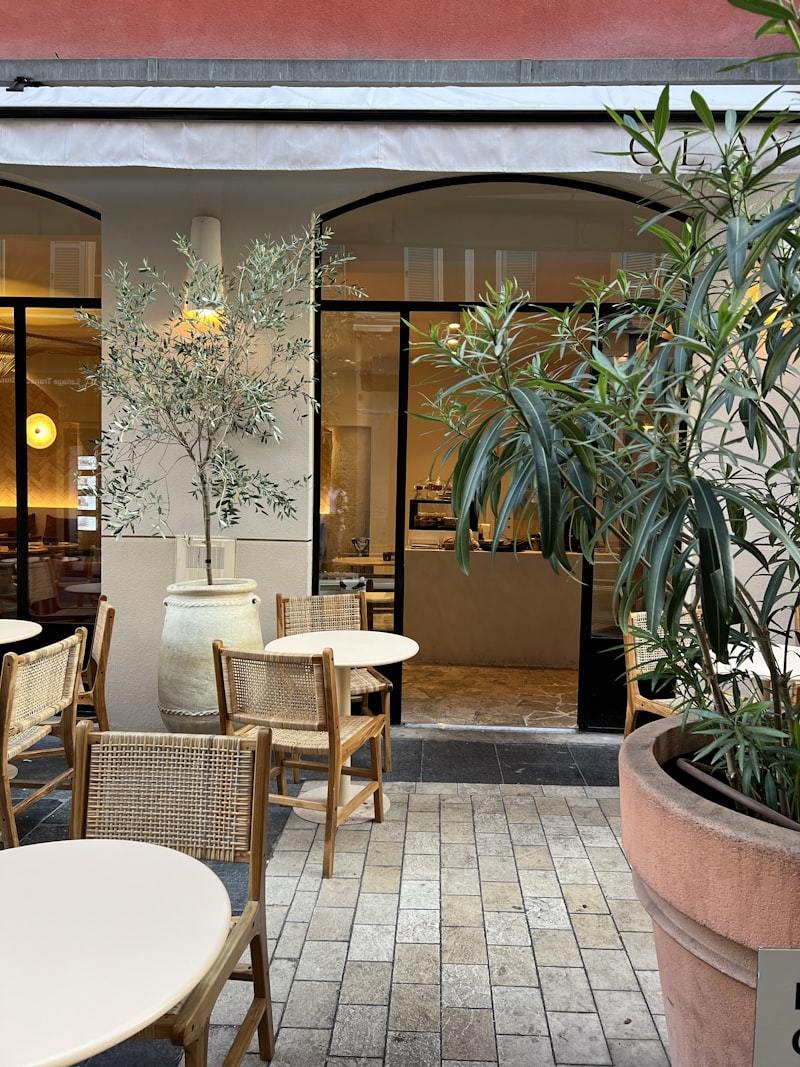
Limitations and Conditions to Consider
- Coastal venues within 3 miles of saltwater require marine-grade coating (1,000+ hour salt spray rating) and quarterly maintenance checks, not just annual. Salt concentration remains high even at inland distances up to 3 miles from the coast.
- Uncoated or indoor-rated bases should never be placed outdoors. A single chip or scratch on an indoor-only coating exposes bare iron, and corrosion accelerates rapidly from that point.
- Seasonal storage matters: in temperate climates where patios close for winter, bases should be cleaned, dried, and stored under ventilated covers. Tight plastic wraps trap moisture and accelerate hidden corrosion.
- Structural inspection: if a screwdriver tap on a rusted area causes the metal to bend or puncture, the base has lost structural integrity and should be replaced, not just refinished.
Summary and Related Guidance
Cast iron table bases are a proven solution for outdoor restaurant patios when three conditions are met: the coating is genuinely outdoor-rated with documented salt spray performance, leveling glides are included, and the venue commits to annual maintenance. AEONTI's outdoor-rated cast iron bases undergo multi-stage surface treatment and are tested to meet commercial durability requirements before shipment. For specific project requirements or custom specifications, contact AEONTI directly to discuss coating options, weight classes, and OEM customization for your patio layout.