LCL vs FCL for Restaurant Furniture: When Consolidation Beats a Full Container
- Share
- publisher
- Zoey
- Issue Time
- Oct 9,2026
Summary
For B2B buyers — wholesalers, restaurant suppliers, project contractors, furniture importers and brand owners — picking between LCL and FCL can swing a furniture order from "fits the budget" to "blows the margin". This guide explains how AEONTI sizes orders against a 20GP/40GP/40HQ, when LCL consolidation is the smarter move, the per-cbm cost penalty, and the Foshan consolidation sequence we use to keep a mixed-customer load clean from factory to your port.
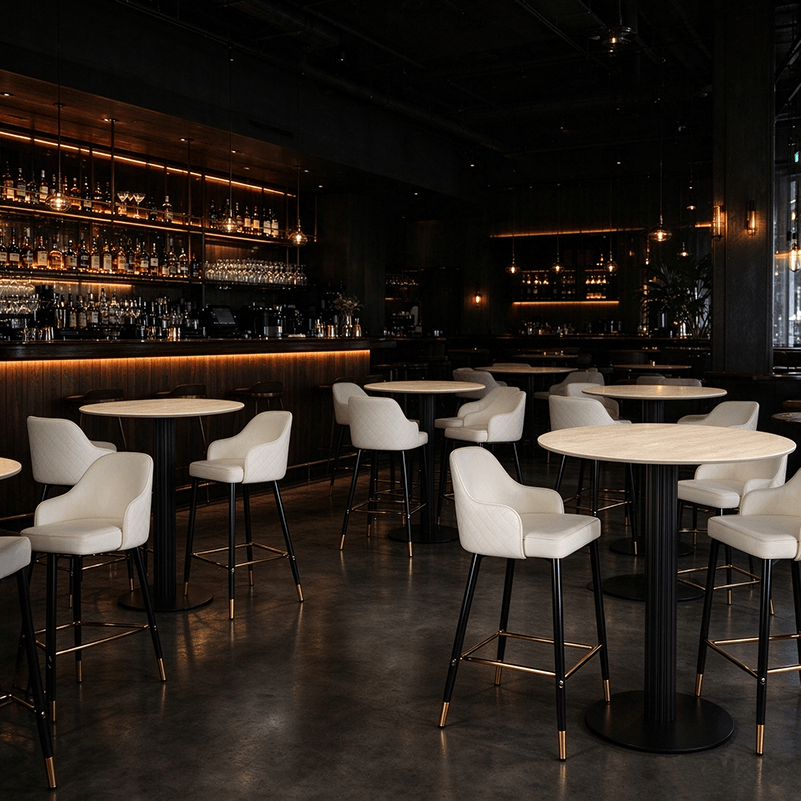
For B2B buyers — wholesalers, restaurant suppliers, project contractors, furniture importers and brand owners — picking between LCL and FCL can quietly swing an order from "fits the budget" to "blows the margin" before the goods leave the loading bay. Two reasons drive the impact. First, restaurant table bases, tabletops and chairs are bulky relative to their unit value: they fill containers fast, and they charge you for the air around them. Second, a typical B2B buyer is often sitting on a project where the buying window is tighter than the volume requires — enough to need a real container, not quite enough to fill one. That gap is where most container decisions go wrong. Two terms cover almost every ocean shipment of restaurant furniture. Getting them right is the first step to a sensible container decision. FCL — Full Container Load. You book an entire container for your own order. The three common sizes for restaurant furniture are 20GP (around 28 cubic metres), 40GP (around 58 cbm) and 40HQ (around 68 cbm). Nobody else's goods share the box. The carrier picks up the full container at AEONTI's loading bay in Foshan and drops it at the port of discharge under a single Bill of Lading. LCL — Less than Container Load. Your goods share a container with shipments from other shippers. AEONTI delivers the consignment to a consolidator's warehouse (in our case typically in Foshan, Shenzhen or Guangzhou), where it is grouped with other orders heading to the same destination port. The consolidator issues a single House Bill of Lading per shipper. The two are not interchangeable in cost. FCL charges you a flat rate per container regardless of how tightly you pack it. LCL charges you per cubic metre (or per 1,000 kg, whichever is greater) and adds a destination handling fee. The breakeven point for restaurant furniture is almost always below 15 cbm of packed volume: below that, LCL is cheaper. Above 18 to 20 cbm, FCL usually wins. Consolidation is not a "small order" hack. It is the right call whenever a buyer's packed volume sits in a band that does not fill a 20GP. The common situations we see at AEONTI are: In all four cases, FCL forces the buyer to either over-buy (parking cash in stock) or wait (missing the project window). LCL lets the same order ship on the next available consolidation at a higher per-cbm price but a much lower total invoice. FCL is the cheaper freight option once you cross the breakeven line, and AEONTI's standard commercial table bases, table tops and dining chairs are designed to pack efficiently into 20GP / 40GP / 40HQ. FCL is the right call when: One note on the breakeven. Per-cbm LCL rates on the China-to-North-America / Europe corridor fluctuate with bunker fuel, peak season surcharges and consolidator capacity. The "LCL is cheaper below 15 cbm" rule is a planning anchor, not a quote. AEONTI's logistics desk runs a side-by-side LCL vs FCL comparison on the actual packed volume once you share the SKU mix and target port. AEONTI's LCL service is built for B2B buyers who need one order shipped on its own without paying for an entire container. The working sequence is: Production lead time for an LCL order is the same as for a full container — 25 to 30 working days after sample sign-off for most base models, depending on run size. The container choice does not slow the factory; it only changes how the finished cartons leave Foshan. Three concrete scenarios from our order book, anonymised, to show how the same factory ships to three different buyer shapes. Scenario A — Wholesaler, pilot order for a new market. A European wholesaler testing the AEONTI range for the first time. Order: 4 dining table models × 25 sets, 6 dining chair models × 30 sets, 3 cast-iron base models × 40 sets. Packed volume: 11 cbm, gross weight 3.8 t. Choice: LCL. FCL would force them to over-buy roughly 3×; LCL ships the test range at a per-cbm premium but a much lower total. Scenario B — Restaurant chain, 3 venues in 9 months. A US restaurant group rolling out three venues. Phase 1: 2 venues ship in 90 days, around 22 cbm of mixed tables and chairs. Choice: FCL 40GP. Phase 2 (six months later, 1 venue): 9 cbm. Choice: LCL, in a separate consolidation. The chain does not park cash in stock and the second venue does not wait for a third venue to fill a container. Scenario C — Project contractor, full hotel fit-out. A Middle East project contractor delivering a 120-key hotel in a single shipment. 320 dining chairs, 180 table bases, 90 table tops. Packed volume: 56 cbm, gross weight 18.5 t. Choice: FCL 40HQ (or 2× 40GP split by product line for easier on-site handling). The total sits comfortably inside a 40HQ; the freight cost per cbm is at its lowest, and a single document set keeps the destination customs work simple. The pattern across all three: LCL is the right tool when the volume is in the gap between MOQ and a full container; FCL is the right tool once a single SKU or a single shipment crosses roughly 18 cbm. The 100-set minimum order quantity (MOQ) per design still applies on LCL orders. LCL lets you keep the volume low, but it does not let you drop below the per-design MOQ. Yes. We accept mixed-logo container loads. Each variant carries its own per-unit OEM surcharge, and the 100-set MOQ applies per design, not per container. This is the most common way brand owners use AEONTI: a private-label hero SKU plus a small unbranded test line in one shipment. No AEONTI-side fee. The consolidator charges a destination handling fee on top of the per-cbm ocean rate; that is part of the LCL rate we quote. We do not add a separate "LCL surcharge" at the factory side. Yes, by booking the LCL leg to a coastal port and arranging onward trucking or rail at the destination through our forwarder. For inland destinations with weak deconsolidation infrastructure, FCL is usually the cleaner call. None at the production stage. Both options use the same 25 to 30 working days after sample sign-off. LCL adds 1 to 3 days at the consolidator's warehouse before the vessel sails; FCL books the next direct vessel from Foshan / Shenzhen / Guangzhou. Plan the LCL option 2 to 3 days earlier than the FCL option. You do not need to arrange that yourself. The consolidator groups your shipment with other shippers heading to the same destination port. If you want to share a container with a specific partner, we can coordinate that on request, but it adds coordination cost and is rarely the cheaper route. EXW Foshan and FOB your nominated port are standard. CIF and DAP are available on request and quoted by our logistics desk. TT payment terms apply. If you are sizing an order against a container or working out whether LCL makes sense for your project, send the SKU mix and the target port to our logistics desk. We return a carton-level packing list and a side-by-side LCL vs FCL quote within two working days.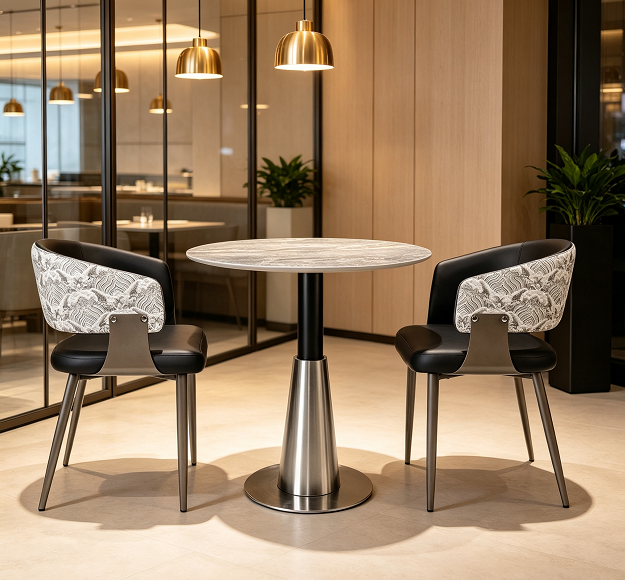
What LCL and FCL Mean for a B2B Furniture Shipment
When LCL Consolidation Beats a Full Container
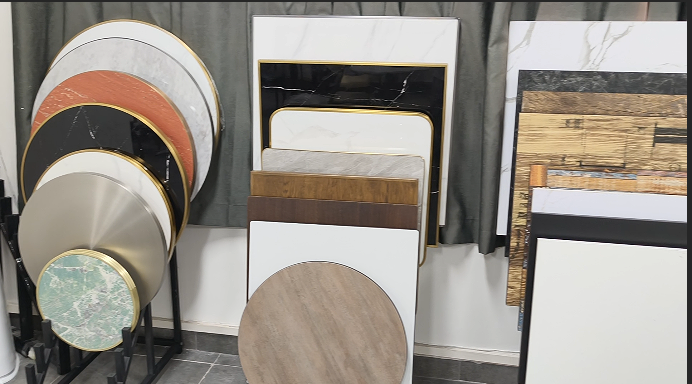
When FCL Is the Right Call
How AEONTI Handles LCL Consolidation from Foshan
Three Buyer Scenarios, Three Container Strategies
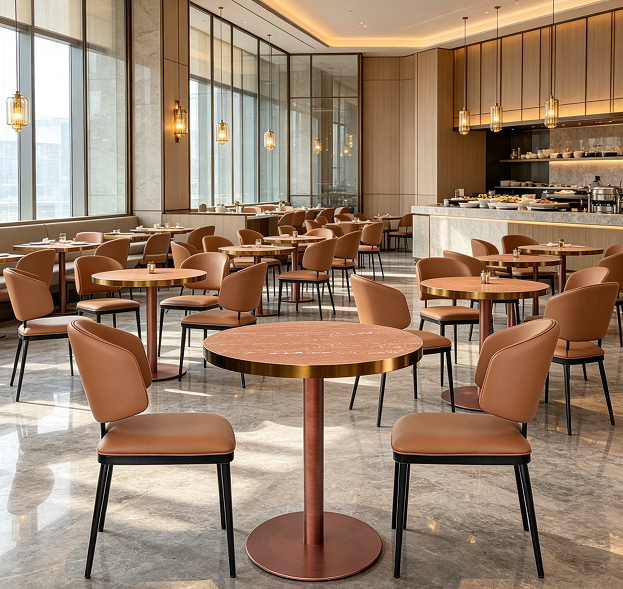
Frequently Asked Questions
What is the minimum order size for LCL at AEONTI?
Can I mix OEM-branded and unbranded stock in the same container?
Do you charge extra for consolidation handling?
Can AEONTI ship LCL to inland destinations?
What is the lead-time impact of choosing LCL over FCL?
Can I share an LCL container with another buyer?
What incoterms do you support on LCL?
Plan Your Container with AEONTI's Logistics Desk